
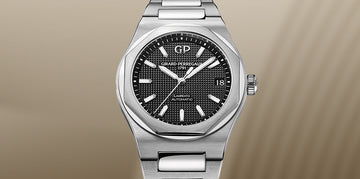
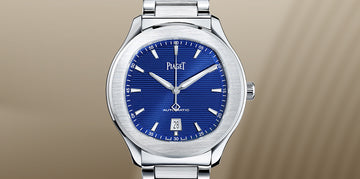

When it comes to luxury dive watches, two names always rise to the top—Omega Seamaster and Rolex Submariner. Both watches are icons in the world of Swiss watchmaking. They are known for their durability, precision, and timeless design.
Choosing between them can be difficult, especially if you’re buying your first luxury dive watch or adding a new piece to your collection.
While both watches are built for the sea, they offer different styles, movements, and overall experiences. This guide breaks everything down, helping you understand which watch may suit your lifestyle, taste, and long-term goals better.
Understanding the Legacy of Both Watches
Before comparing features, it’s important to understand the history behind these two legendary timepieces.
The Rolex Submariner, introduced in 1953, is widely considered the original modern dive watch. It was designed for professional divers but quickly became popular with everyday wearers due to its clean design and strong performance.
The Omega Seamaster, first launched in 1948, has a longer history overall. However, the Seamaster Diver line gained major recognition in the 1990s, especially after becoming associated with the James Bond films.
Both watches carry decades of innovation, making them trusted choices for divers, professionals, and collectors worldwide.
Design and Overall Look
Rolex Submariner Design
The Rolex Submariner is known for its classic and clean design. It has a simple dial, bold hour markers, and a rotating bezel that’s easy to read underwater or in low light.
The case is made from Rolex’s proprietary Oystersteel, which is highly resistant to corrosion and scratches. The Submariner’s design has remained largely unchanged over the years, which adds to its timeless appeal.
This watch pairs just as well with a suit as it does with casual wear, making it extremely versatile.
Omega Seamaster Design
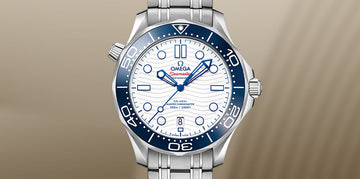
The Omega Seamaster has a more modern and sporty look. Many models feature a wave-pattern dial, skeleton hands, and bold colors that give the watch more visual character.
The Seamaster often feels slightly more expressive than the Submariner. It stands out on the wrist and appeals to buyers who like a mix of tradition and modern style.
While still elegant, the Seamaster leans more toward a contemporary design language.
Case Size and Wearing Comfort
The Rolex Submariner typically comes in a 41mm case, which fits comfortably on most wrists. Its proportions are balanced, and the watch feels solid without being too heavy.
Omega Seamaster models usually range from 41mm to 43.5mm, depending on the version. Because of the slightly larger size and thicker case, the Seamaster may feel more substantial on the wrist.
Both watches are comfortable for daily wear, but wrist size and personal preference play a big role in deciding which feels better.
Water Resistance and Dive Capability
Both watches are professional dive watches, but they differ in some ways.
Rolex Submariner
-
Water resistance up to 300 meters
-
Unidirectional ceramic bezel
-
Triplock crown for extra sealing
-
Designed for serious underwater use
Omega Seamaster
-
Water resistance up to 300 meters
-
Helium escape valve for saturation diving
-
Ceramic bezel and dial options
-
Built for both recreational and professional divers
The helium escape valve gives the Seamaster an edge for deep-sea divers, though most everyday wearers will never need this feature.
Movement and Accuracy
Rolex Submariner Movement
Rolex uses its in-house automatic movements, known for reliability and long-term durability. The Submariner is certified as a Superlative Chronometer, meaning it maintains accuracy within very tight standards.
Rolex movements are simple, robust, and built to last decades with proper servicing.
Omega Seamaster Movement
Omega uses Master Chronometer movements, certified by METAS. These movements are highly resistant to magnetic fields and offer excellent accuracy.
Omega’s movements often feature advanced technology, including silicon balance springs and longer power reserves in some models.
Both watches are extremely accurate, but Omega focuses more on technical innovation, while Rolex emphasizes proven reliability.
Bracelet and Clasp Quality
Rolex bracelets are famous for their comfort and durability. The Submariner’s Oyster bracelet includes a Glidelock clasp, allowing small adjustments without tools. This is especially useful in warm weather or over a wetsuit.
Omega’s Seamaster bracelet is also high quality and comfortable. It features a solid clasp with micro-adjustments, though some users find Rolex’s system easier to use.
Both bracelets are built to handle daily wear with ease.
Everyday Wear and Versatility
The Rolex Submariner is often described as a perfect everyday watch. Its simple design works in almost any setting, whether casual or formal.
The Omega Seamaster feels slightly more sporty and bold. It’s ideal for those who want a watch that stands out a bit more while still being suitable for daily use.
If you prefer a subtle, classic look, the Submariner may be the better choice. If you enjoy modern details and visual depth, the Seamaster may suit you more.
Brand Image and Recognition
Rolex is one of the most recognized luxury brands in the world. The Submariner, in particular, is instantly recognizable and often associated with success and achievement.
Omega has a strong reputation as well, especially in precision timing and space exploration. The Seamaster’s association with James Bond has also boosted its popularity.
Rolex tends to carry more prestige in resale and public recognition, while Omega is often appreciated for value and innovation.
Investment and Resale Value
The Rolex Submariner is known for holding its value extremely well. In many cases, pre-owned Submariners sell close to or even above retail prices, depending on market demand.
Omega Seamaster watches generally depreciate more than Rolex in the short term. However, they often offer better value at purchase and strong long-term ownership satisfaction.
If resale value is a priority, Rolex usually has the advantage. If value for money matters more, Omega is often the better deal.
Maintenance and Servicing
Both watches require regular servicing every 5 to 10 years, depending on use.
Rolex servicing is known for being thorough but can be more expensive. Omega servicing is also professional and may offer slightly lower costs in some regions.
Proper care and authorized servicing are important for both brands to maintain performance and value.
Here’s a comparison table:
Omega Seamaster vs Rolex Submariner – Feature Comparison
| Feature | Omega Seamaster | Rolex Submariner |
|---|---|---|
| Brand Origin | Omega (Switzerland) | Rolex (Switzerland) |
| First Introduced | 1948 (Seamaster line) | 1953 |
| Case Size | 41mm–43.5mm (varies by model) | 41mm |
| Water Resistance | Up to 300 meters | Up to 300 meters |
| Movement | Master Chronometer (METAS certified) | Superlative Chronometer |
| Special Feature | Helium escape valve | Glidelock clasp |
| Design Style | Sporty and modern | Classic and timeless |
| Everyday Wear | Bold and contemporary | Versatile and elegant |
| Investment Value | Strong value for money | Excellent resale value |
Which Watch Is Right for You?
Choose the Rolex Submariner if you:
-
Want a timeless, classic design
-
Care about resale value and brand prestige
-
Prefer simplicity and proven performance
Choose the Omega Seamaster if you:
-
Like modern design and bold details
-
Want advanced movement technology
-
Prefer strong value at purchase
Final Thoughts: Omega Seamaster vs Rolex Submariner
The Omega Seamaster and Rolex Submariner are two of the finest dive watches ever made, offering outstanding craftsmanship, reliability, and long-lasting style. Choosing between them comes down to personal preference, lifestyle needs, and whether you value classic design or modern innovation.
Superlative Watch Company can help you explore, compare, and confidently choose between the Omega Seamaster and Rolex Submariner.
Whether you’re looking to buy, sell, or get expert guidance, their knowledgeable team ensures a smooth and trusted luxury watch experience.


